

Culture Clubbing
TIME
2001
VENUE
Boston Ballet Studio (Chinatown, Boston, MA USA)
ボストン・バレエ団 スタジオ (米国マサチューセッツ州ボストン市)
ROLE
Artist/Curator/Producer
アーティスト/キュレーター/プロデューサー
PARTICIPATING ARTIST
Dirk Adams, Bryce Kaufman, Kristina Lenzi, Lazaro Montano, Richard Streitmatter-Tran
KEYWORDS
Performance Art, パフォーマンス, Burlesque, バーレスク, Storefront Window, ショーウィンドウ, Boston Chinatown, チャイナタウン, Red-Light District, 歓楽街, Social Intervention, Storytelling, Art as Catalyst, 触媒としてのアート, Early Work, 初期作品, Chinese Exclusion Act, 中国人排斥法
STORY
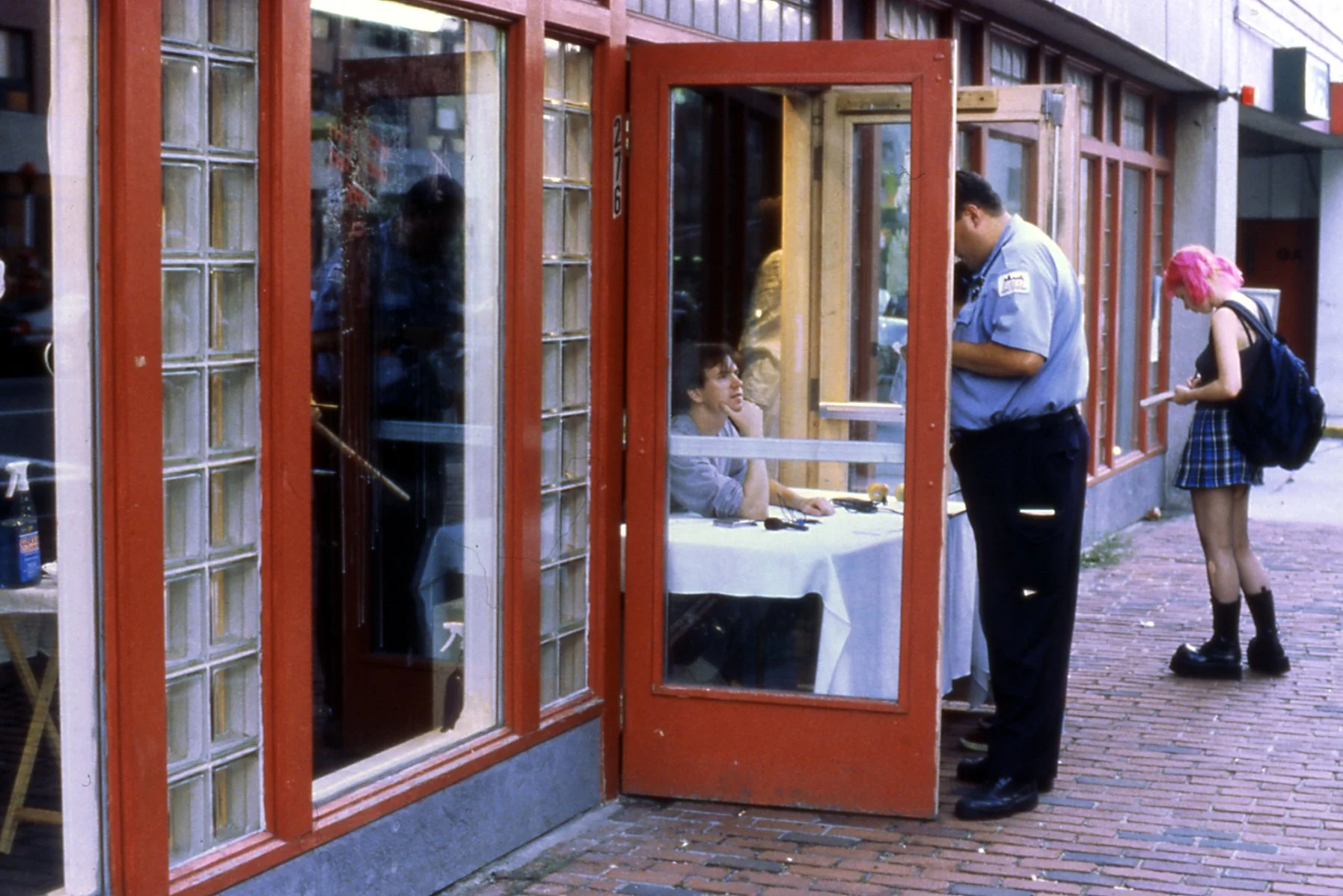
In the past, a section of Boston's Chinatown was recognized as a bustling red-light district, frequented by numerous clubs and often referred to as a 'playground' for sailors. Inspired by this historical backdrop, I organized an evening of performances titled Culture Clubbing utilizing the display windows of a facility used for Boston Ballet practice in the neighborhood. The event aimed to evoke the burlesque style prevalent in the area's past.
This project marked one of my early endeavors to transcend conventional art-making, embracing art as a catalyst for societal change and storytelling.
-
Boston Chinatown History
Boston's Chinatown traces its roots back to the mid-19th century when Chinese laborers immigrated to the United States. Initially, these immigrants found employment in various industries such as railroads, steel mills, fishing, restaurants, and clothing. However, the passage of the Chinese Exclusion Act of 1882 severely restricted Chinese immigration, forcing many who lost their jobs to relocate to Chinatown.In the early 20th century, Chinatown became ensnared in Boston's red-light district, plagued by brothels and drug trafficking. This period saw Chinatown grappling with poverty and crime, becoming a target for urban renewal efforts. The 1960s brought further upheaval as highway construction destroyed parts of Chinatown, necessitating the relocation of its residents.
Despite these challenges, Chinatown experienced a resurgence and thrives today as a culturally vibrant neighborhood, boasting an array of restaurants, shops, residences, temples, and more. The decline of the red-light district has transformed Chinatown into one of Boston's notable tourist attractions.
Culture Clubbingは、かつて多くのクラブが立ち並び海軍の兵士たちの「遊び場」として知られていたボストン・チャイナタウンの歴史的背景に着想を得て企画したパフォーマンスイベントです。地区にあるボストン・バレエ団の練習施設のショーウィンドウを利用し、かつてこの地域で栄えたバーレスクスタイルを彷彿とさせる夜のパフォーマンスを開催しました。
本プロジェクトは、従来のアート制作を超えて、アートを社会変革とストーリーテリングの触媒として捉える、私の初期の試みの一つとなりました。
-
ボストン・チャイナタウンの歴史
ボストンのチャイナタウンは、19世紀半ばに中国人労働者がアメリカに移民してきたことに起源を持ちます。当初、これらの移民は鉄道、製鉄所、漁業、レストラン、衣料品など様々な産業で雇用を見つけていました。しかし、1882年の中国人排斥法により中国人移民が厳しく制限され、職を失った多くの人々がチャイナタウンへ移住することになりました。
20世紀初頭、チャイナタウンはボストンのレッドライト地区の一部となり、売春宿や麻薬密売の問題を抱えるようになりました。この時期、チャイナタウンは貧困と犯罪の課題に直面し、都市再開発の対象となりました。1960年代には高速道路建設によりチャイナタウンの一部が取り壊され、住民たちは再び移転することになりました。
これらの時代を経て、今日ではレストラン、ショップ、住宅、寺院などが立ち並ぶ、文化的に活気ある地域として繁栄しています。レッドライト地区の衰退により、チャイナタウンはボストンの注目すべき観光名所の一つに変貌しました。


CREDIT
SPECIAL THANKS
Boston Ballet Studio, Asian Arts Community Development Corporation
PHOTO COURTESY OF
Morgan Schwartz, Bridget Murphy, Jeremy Chi-Ming Liu
If you have any questions, please contact me!