

Sifting the Inner Belt
都市を篩にかけたとき
TIME
2004 − 2005
VENUE
Boston Center for the Arts, Berkeley Street Community Garden (Boston MA. USA)
ボストン芸術センター, バークレー・コミュニティ・ガーデン (米国マサチューセッツ州ボストン市)
ROLE
Lead Artist/Community Organizer
リード アーティスト/コミュニティオルガナイザー
COLLABORATORS
Jeremy Chan Peng Chu (Artist), Catherine D’lgnazio (Artist/Scholar), William H.Ho (Urban Planner), Jeremy Chi-Ming Liu (Urban Planner), Natalie Loveless (Artist/Scholar), Kim Szeto, Andi Sutton (Artist)
KEYWORDS
Community revitalization, Oral history, オーラルヒストリー, Social Implementation, 社会実装, 地域活性, Immigration, Urban Renewal, 都市再生, Community Garden, コミュニティガーデン, Diversity, 多様性
STORY
To sift: To make a close examination of all the parts of something to find something or to separate what is useful from what is not
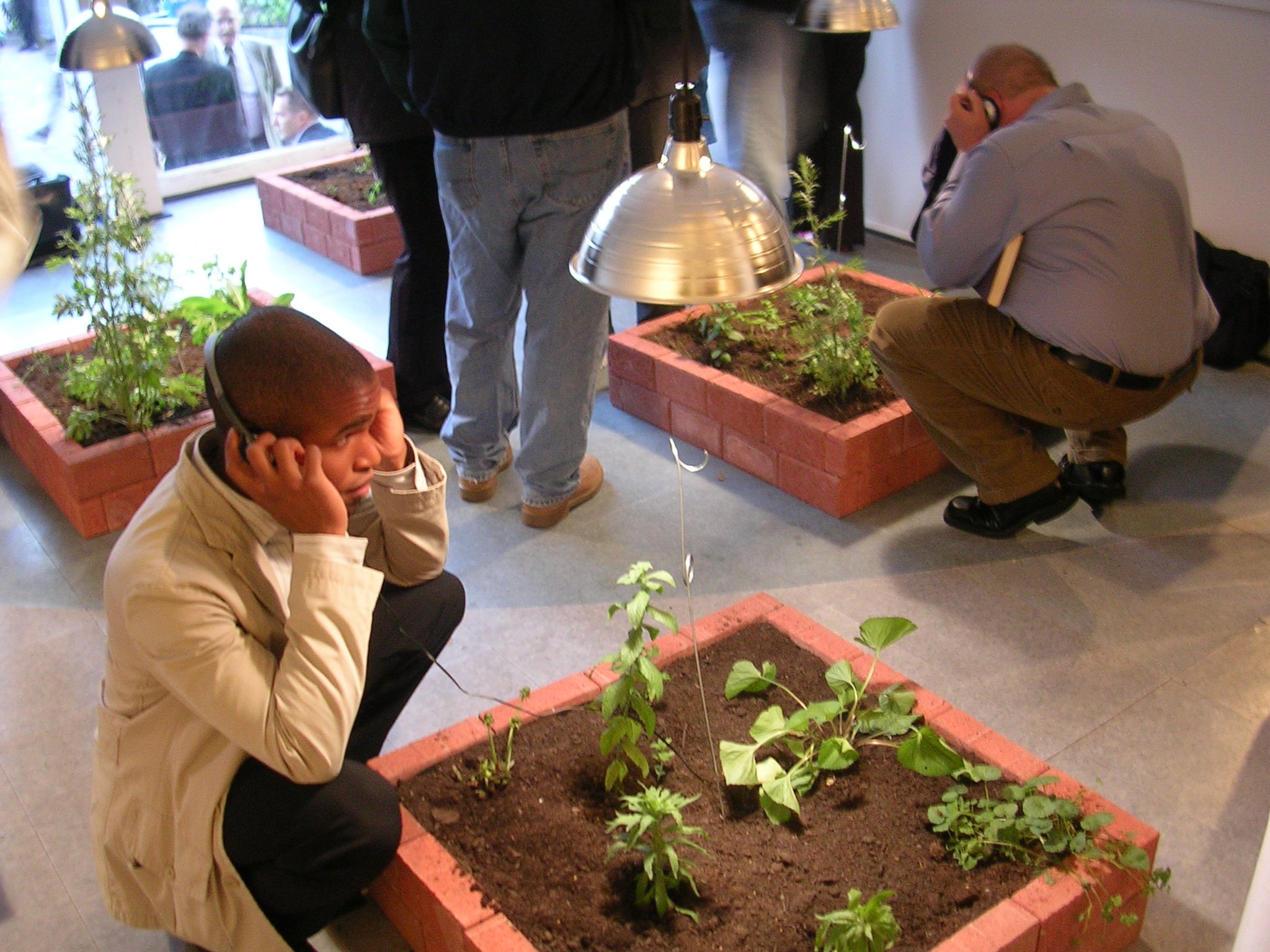
Sifting the Inner Belt was a year-long experimental research and participatory project that closely observed and examined i.e. sift, Boston’s South End neighborhood, with an emphasis on creating emotional, conceptual, and physical bridges between the Boston Center for the Arts (BCA) and the Berkeley Community Garden (BCG).
With the collaboration of artists, activists, and community residents, the project was constructed through a generative process involving dialogue and community engagement. Its culmination took place at the BCA including a series of performance events, site-specific installations, a display of final and in-progress research, and multifaceted social experiments.
-
Background
The term “Inner Belt” refers to the ill-conceived and never completed highway project from 1948-1971 that would have created an inner beltway highway around downtown Boston and between the South End and Lower Roxbury. Perhaps the most significant Urban Renewal project in Boston’s history, the Inner Belt and associated projects, resulted in thousands of families displaced, millions of dollars of land takings, and a legacy of “renewal” through displacement that still exists today. The term “renewal” lost its way in the 60’s and 70’s in the U.S, and so much of the urban “renewal” actually destroyed thriving, functional communities. In a way, Sifting the Inner Belt was a social and creative approach to renewing “urban renewal.”Because of the failure of the Inner Belt project and undergoing significant changes due to urban renewal efforts, the history of the Berkeley Street Community Garden began in the 1980s, as a way to help residents reclaim their community and improve their quality of life.
To sift: ふるいにかける
都市を篩(ふるい)にかけたとき(Sifting the Inner Belt)は、ジェントリフィケーションの影響を受けたボストン市サウスエンド地区で、1年間限定で実施した参加型アート・リサーチプロジェクトでした。地域に根ざした文化施設ボストン芸術センターと、多くの移民コミュニティが利用するバークレー・コミュニティ・ガーデンの関係性を調査しながら、感情的、概念的、物理的な観点から地域の課題と様相を探求しました。
-
プロジェクトタイトルの「Inner Belt」は、1948年から1971年にボストンのダウンタウン周辺、サウスエンドとロウワー・ロクスバリーの間に計画された内環状高速道路建設を指します。市民運動により中止となったこの計画は、ボストンの歴史上最も重要な都市再開発プロジェクトの一つであり、数千の家族が追い出され、数百万ドルの土地収用が行われました。「追放による再生」という遺産は今もなお続いています。アメリカの都市「再生(Renewal)」の歴史を振り返ると、実際には繁栄していた機能的なコミュニティとその文化を破壊したケースが多くありました。本プロジェクトは、「都市再開発」の手法や考え方を再生/更新するための社会的で創造的なアプローチを探求しました。
この計画の失敗と都市再生による大きな変化を経て、バークレー・ストリート・コミュニティ・ガーデンの歴史は1980年代に始まりました。住民が自分たちのコミュニティを取り戻し、生活の質を向上させるための手段としてスタートしたこの場所に着目し、アーティスト、アクティビスト、地域住民との協働を通じて、対話やコミュニティ参加による多面的な社会実験やパフォーマンスベースのプロジェクトを展開しました。ボストン芸術センターでの活動発表・展示をもってプロジェクトは終了し、活動の一環としてコミュニティガーデンから発想したアートプロジェクト「苦瓜推進協議会」がこれを機にスタートしました。




CREDIT
FUNDED BY
LEF Foundation, Weekly Dig (Media Sponsor)
SPECIAL THANKS
Laura Donaldson
PHOTO COURTESY OF
Sifting the Inner Belt
For more details about the credit, please contact me.