

Treasurehill Garden Portrait Studio Project
寶藏巖農園肖像画計画
DATES
2002 − 2003
VENUE
Treasurehill Village (Taipei, Taiwan)
寶藏巖國際藝術村 (台湾台北市)
KEYWORDS
ommunity Preservation, コミュニティ保存, Urban Activism, 都市保存運動, Portrait Photography, 肖像画, Home-Visit Gallery, 訪問型写真館, Treasure Hill, 寶藏巖, Taipei, 台北, Cultural Heritage, 文化遺産, Gentrification Resistance, Social Practice, ソーシャルプラクティス, Community Garden, コミュニティガーデン, Participatory Art, 参加型アート, Illegal Settlement, 違法建築, Artist Village, アーティストビレッジ
WEBSITE
寶藏巖國際藝術村
https://taiwan-shugakuryoko.jp/spot_north/2666/
STORY
When there seems to be nothing in common among residents, how does one create a sense of community? How can art be a key strategy for saving a historic village?
Treasurehill Garden Portrait Studio Project responded to these questions in Treasure Hill (寶藏巖), Taipei—a settlement built by retired military veterans, their families, and immigrants overlooking the Xindian River. Facing government demolition plans formalized in 1993, the Graduate Institute of Building and Planning at National Taiwan University and the Organization of Urban Re-s (OURs) launched a global activist project using art and culture to halt the 2006 redevelopment and preserve the community. This project was conceived and implemented as part of that effort.
-
Background and Research Overview
The majority of residents were elderly people who strongly avoided political involvement. Recognizing that blocking development was impossible without changing the context, we established the following directions:
Identify value as cultural heritage to secure land rights
Soften the political dimension through art
Introduce tourism elements and envision commercial potential
Propose sustainability through multigenerational community building
Present the riverside gardens as sustainable farms for self-sufficiency plus new income sources, and brand them accordingly
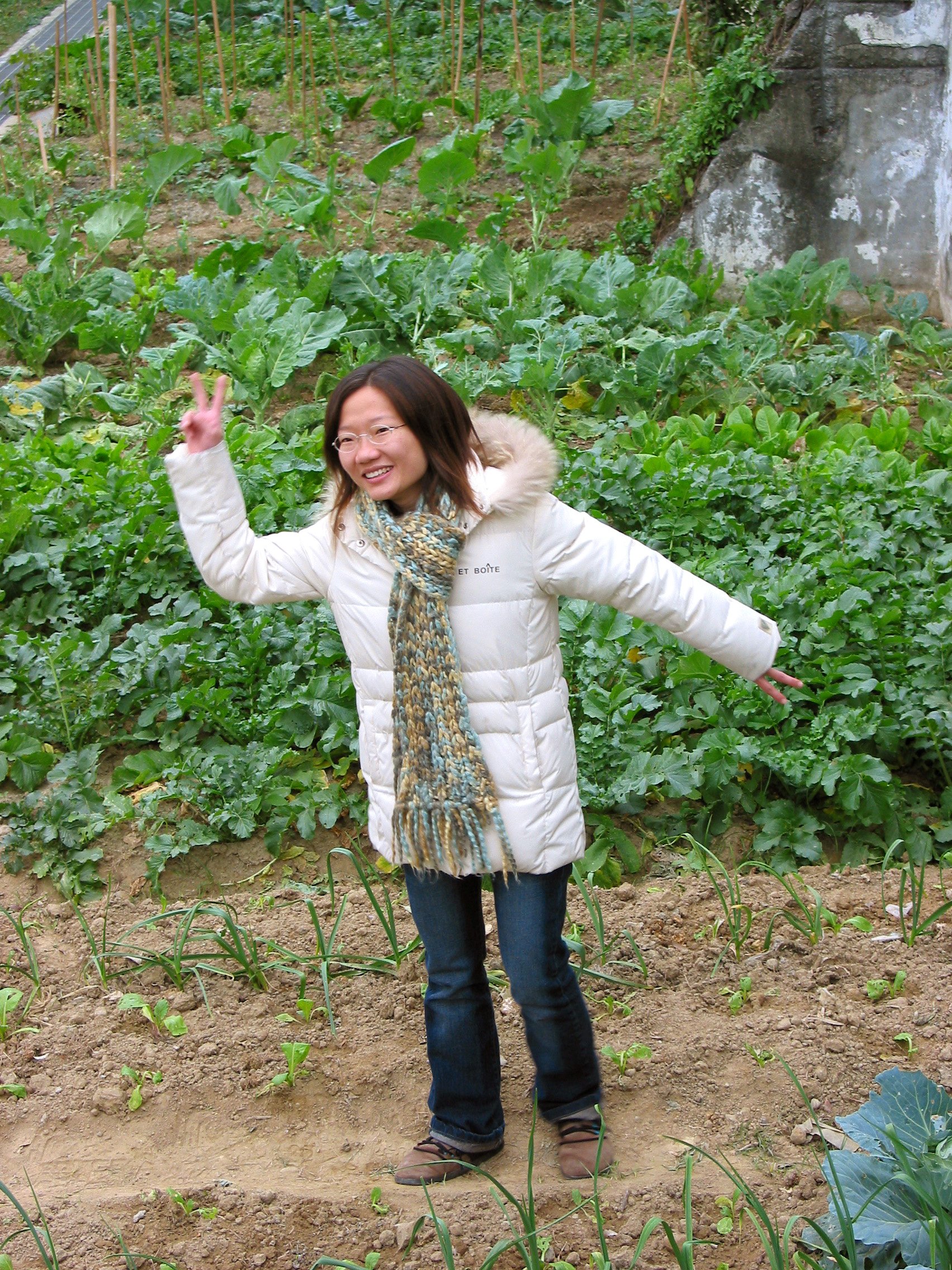
Respecting the feelings of an aging population that avoided political engagement, I conceived an action plan centered on photographing portraits against the familiar backdrop of their gardens. After photography sessions, I revisited each home to have residents title their photographs and choose display locations within their rooms. The goal was to transform the entire district into a semi-permanent home-visit photography gallery, accessible only by visiting individual homes. The shared thread of "portraits" would spark conversation, visualize Treasure Hill's significance and value, revitalize residents' solidarity, and prevent the district's demolition and redevelopment.
In 2006, the government's Department of Cultural Affairs recognized Treasure Hill as a "historic cultural structure" and decided to protect it. When The New York Times selected it as one of the must-visit destinations, tourists from around the world began arriving, and the government judged it worthy of further investment as cultural capital. After completely closing the area in 2007 for full-scale redevelopment as an art village, it reopened in 2009 as the Treasure Hill Artist Village (寶藏巖國際藝術村), reborn as an art district where artists from around the world exhibit their work.
居住者たちに共通項がないとき、どうコミュニティ意識を生み出すか。アートはいかに歴史的集落を救う鍵となりうるか。
寶藏巖農園肖像画計画は、台湾台北市・新店渓を見渡す寶藏巖(トレジャーヒル)で実施した、自宅開放・訪問型写真館プロジェクトである。退役軍人やその家族、移民によって形成されたこの集落は、1993年に政府による取り壊しが正式に決定された。国立台湾大学建築都市計画研究所と都市再編組織(OURs)は、政治的な手段ではなくアートと文化を活用し、2006年着工予定の開発阻止と地域存続を目的としたグローバルアクティビスト参加プロジェクトを立ち上げた。本プロジェクトはその一環として企画・実施したものである。
-
活動背景と調査概要
居住者の大多数は政治的な関与を避ける高齢者であった。文脈を変えない限り開発阻止の勝ち目はないことから、以下の方向性を打ち出した。
文化的遺産としての価値を見出し土地の権利存続へつなげる
政治色をアートで緩和する
観光的要素を取り入れ、商業地としての方向性を見出す
多世代が住む街づくりを目指す持続性を提案
河川に面する農園を持続型農園として自給自足+新たな収入源として提示し、ブランド化する
高齢化し政治的な関与を避ける住民の気持ちを大切にしながら発想した案が、見慣れた農園を背景に肖像画を撮るというアクション計画だった。撮影後は各家に再訪問し、写真にタイトルをつけてもらい、部屋の中での展示場所を決めて設置した。各々の家を訪れなければ観ることができない、この地区全体が半永久的な自宅開放・訪問型写真館に発展することを目標とした。共通項となる「肖像画」が会話のきっかけとなり、寶藏巖の存在意義や価値を可視化し、住民の団結力を活性化させ、地域の解体と再開発の阻止につながることを念頭に企画した。
2006年、政府文化局は寶藏巖を「歴史的文化・建造物」として認め、保護することを決定した。ニューヨーク・タイムズに「必ず行くべき観光地」の一つとして選ばれ、世界中から観光客が訪れるようになり、政府も文化的資本としてさらに投資する価値があると判断した。2007年に一度完全封鎖しアート村として本格的な再開発に着手、2009年から「寶藏巖國際藝術村(トレジャーヒル・アーティスト・ビレッジ)」として、世界中のアーティストが作品を展示するアート地区に生まれ変わった。



CREDIT
ROLE
Co-Lead Artist/Cultural Consultant
リードアーティスト/文化コンサルタント
COLLABORATOR
Jeremy Chi-Ming Liu (Artist/Urban Planner)
劉継明 (アーティスト/アーバンプランナー)
CLIENT
Organization of Urban Re’s (OURs)
SUPPORTED BY
Taipei, Taiwan, Cultural Affairs of City of Taipei, National Taiwan University
台北文化庁、國立臺灣大學
SPECIAL THANKS
Min Jay Kang, John K.C. Liu
PHOTO COURTESY OF
Artists
If you have any questions, please contact me!